NYC Market Trends 2026: What Buyers Need to Know
For the first time in years, the "math" of New York City homeownership is shifting in a direction that feels unfamiliar yet deeply encouraging. The 2026 market isn't a loud, dramatic reset; instead, it is a quiet, measurable rebalancing where monthly housing costs are finally retreating from their peak.
Whether you are eyeing a pre-war classic in the West Village or a modern conversion in the Financial District, here is the ground-level reality of the current market.
NYC Housing Affordability Is Improving

After years of navigating a "fever pitch" environment, buyers are seeing the first genuine improvement in purchasing power since the post-pandemic era. This shift is driven by a unique alignment of economic factors:
- Mortgage Rate Movement: Rates have settled into a more predictable range, sitting roughly a full percentage point lower than this time last year.
- Income Gains: For the first time in this cycle, wage growth is compounding faster than home prices, allowing New Yorkers to allocate income toward equity rather than just keeping up with inflation.
- Stable Pricing: Nationally, home values are projected to rise by a modest 2% to 3%, ensuring that while your investment grows, it isn't outstripping your ability to save.
NYC Real Estate Inventory Is Rising in 2026
The "lock-in effect," where owners felt trapped by their low interest rates, is finally beginning to dissolve. Life-changing events are once again driving the market, leading to a much-needed influx of new listings.
- Inventory Growth: Available listings are up approximately 20% compared to a year ago, offering the most balanced market conditions seen in nearly a decade.
- The End of the Rush: The era of immediate, sight-unseen bidding wars has largely faded. Buyers now have the breathing room to be selective, negotiate, and focus on genuine value.
- Builder Incentives: In the new development sector, builders are increasingly offering interest rate buydowns and other concessions to help offset closing costs
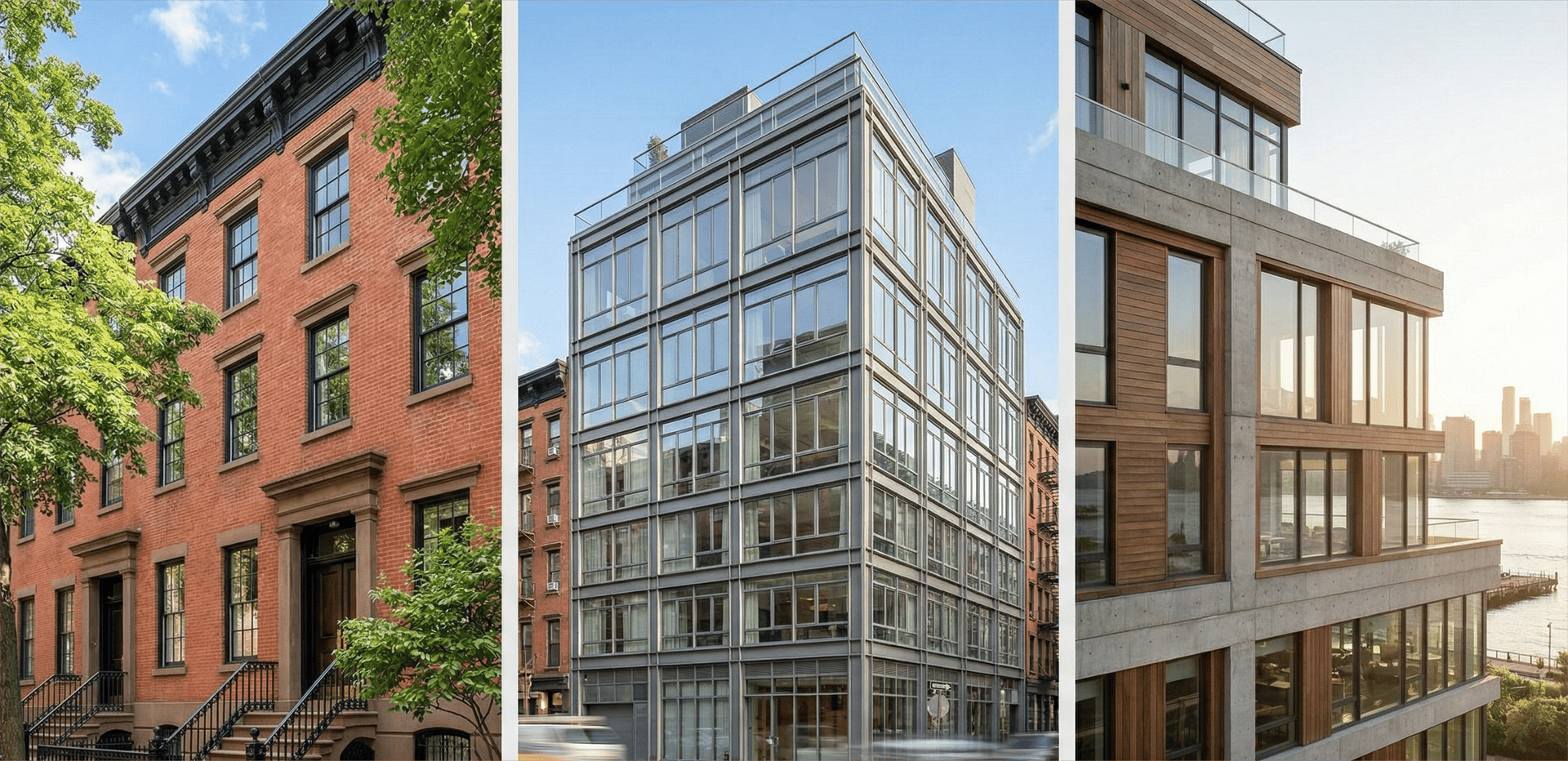
NYC Neighborhood Real Estate Trends: Manhattan vs Brooklyn
While the city is finding its footing, the experience remains highly local:
- Manhattan Real Estate Market Trends: While rental inventory in Manhattan has hit a record 24-month decline, the sales market is benefiting from a wave of office-to-residential conversions, particularly in the Financial District.
- Brooklyn Housing Market Trends: Areas like Boerum Hill and Greenpoint are seeing a surge in newly constructed two- and three-bedroom homes, catering to the growing demographic of families choosing to stay in the city.
- The "Wait and See" Strategy: In the South and West, policies have enabled more construction, keeping markets in balance, whereas the Northeast continues to see inventory lag behind pre-pandemic norms.
The Modern Home Profile
In 2026, a home is more than just square footage; it's about efficiency and lifestyle integration:
- Sustainable Infrastructure: Features like EV charging stations, whole-home battery storage, and "zero-energy" certifications are no longer niche—they are high-priority requirements for the modern buyer.
- Tech-Driven Transactions: AI has transitioned from a simple search tool to a transaction manager, streamlining the friction of scheduling tours, preparing for closings, and facilitating negotiations.
Bottom Line: The NYC Market in 2026

The current moment is a recalibration, not a collapse. Stability rarely arrives with fireworks; it arrives one payment at a time. Housing has become negotiable again, and for the prepared buyer, that shift changes the game entirely. The advantage now lies with those who understand their local market and are ready to act within these improving constraints.